
|
|
|
Политика Экономика Проиcшествия Общество Спорт Культура и искусство Знаменитости Наука и технологии Авто Интернет Женские советы Питание Обустройство дома Строительство  Лента свежих новостей 07 сен. | 19:20
Подготовка к детоксикации: пошаговая инструкция для семьи 07 сен. | 19:19
Как выбрать колбасные изделия: гид для покупателя и закупщика 05 сен. | 11:18
Натальная карта: что это такое и как составить по правилам 01 сен. | 13:55
Кожаные ботинки: почему этот материал остается актуальным 31 авг. | 18:57
Как правильно принимать железо при заболеваниях желудка 31 авг. | 09:48
Как выбрать групповой тур: что нужно знать |
Custom Hand Cream Tubes for Skincare Brands
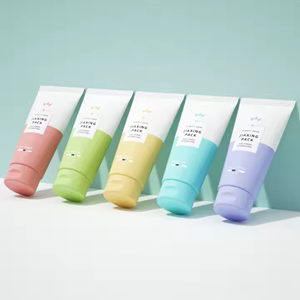 A hand cream tube is both a functional container and an important part of the product’s identity. It must protect the formula, dispense cleanly, remain convenient to carry, and communicate the brand’s position at first glance. Customization allows skincare brands to coordinate tube colors, finishes, closures, and graphics with the rest of a product range. However, every design decision must remain compatible with manufacturing, filling, testing, and commercial order quantities. A clear development process helps transform an initial visual concept into reliable production packaging. Define the Product PositionThe design process should begin with the intended customer and use scenario. A travel hand cream may need a compact 20 ml or 30 ml tube with a secure screw cap. A premium daily-care product may use a 50 ml tube with matte decoration and metallic details. A professional treatment may require a larger 100 ml or 150 ml package. The brand should also define the desired impression. Natural, clinical, luxury, playful, and minimalist products require different proportions, colors, and finishes. These decisions help the supplier recommend suitable standard molds and customization methods. Select the Capacity and DiameterCapacity determines how much product is sold, while diameter influences the tube’s appearance and handling. D19 to D25 tubes are suitable for samples, gifts, and portable products. D30 and D35 are widely used for standard retail hand cream. D40 and larger diameters suit family, salon, and professional formats. The same fill volume may be packaged in different proportions. A narrow tube looks more elegant, while a wider tube provides greater shelf presence and artwork space. Physical samples should be reviewed before the final size is approved. Choose the Material StructurePE extrusion tubes are a common choice because they are flexible, seamless, and compatible with many decoration methods. LDPE provides softness, while HDPE adds stiffness. The ratio can be adjusted to produce a tube that feels substantial but remains easy to squeeze. PBL may be selected when the formula needs additional barrier protection and the brand wants a smooth tube body. ABL provides a stronger light and oxygen barrier but develops folds during use. PCR polyethylene, bio-based PE, and lightweight tube structures may support specific sustainability objectives. These options should be evaluated using measurable targets rather than general environmental claims. Match the Closure to the User ExperienceFlip-top caps are practical for frequently used hand cream. They allow one-handed opening and support cap-down storage. Screw caps can create a cleaner or more premium appearance. Narrow nozzles work for concentrated treatments, while wider openings are appropriate for thick creams. The cap should be tested for opening force, hinge durability, torque, leakage, and formula buildup around the orifice. A color-matched cap creates a coordinated look, while a contrasting or metallized closure can become a strong visual feature. Plan the DecorationCustomization can include:
Minimal designs still require careful technical preparation. Small text must remain readable, barcodes need sufficient contrast, and important artwork should remain clear of the shoulder and filling seal. Brands developingcustom hand cream tubesshould request a production artwork template before finalizing graphics. Use Existing Molds Where PossibleA fully custom shape can create strong differentiation, but it also requires design engineering, tooling, trials, and a larger investment. Many brands can achieve a distinctive result by using a standard tube diameter and cap mold with custom length, color, artwork, and finishes. This semi-custom approach reduces development time and technical risk while preserving brand identity. Custom tooling is more suitable when the brand has a reliable sales forecast and the unique shape provides meaningful commercial value. Approve Physical SamplesDigital mockups are useful for design review but cannot show the exact color, texture, gloss, or squeeze feel. The sampling process may include structural samples, color samples, decorated samples, and pre-production samples. Approved samples should be signed or otherwise documented as the quality reference for mass production. The brand should also confirm cap alignment, artwork registration, surface quality, and packaging proportions. Test With the FormulaThe tube must be filled with the actual hand cream and evaluated under expected storage conditions. Testing should check leakage, swelling, paneling, formula discoloration, odor change, weight loss, dispensing force, seal strength, and cap cleanliness. A pilot filling run can confirm that the tube feeds, fills, seals, trims, and codes correctly on the production line. Prepare for Repeat ProductionFinal specifications should record the material structure, dimensions, cap, orifice, colors, artwork version, decoration, packing method, and quality tolerances. These records make repeat orders more consistent and reduce the risk of accidental changes. Successful custom hand cream packaging balances design creativity with formula protection and production control. By selecting practical components, approving physical samples, and completing compatibility testing, skincare brands can create tubes that support both product performance and long-term brand recognition.
|